Source ce plastic single contact block for Industrial Control
Compare 30 ce plastic single contact block options from verified manufacturers in China. Buyers can evaluate specifications like rated current, pole count, and certifications to find suitable components for electrical systems; compare the available evidence and request quotations based on your requirements.
Key considerations
Products List








Comprehensive Sourcing Guide
Ce Plastic Single Contact Block Sourcing Guide
Procuring ce plastic single contact blocks requires a disciplined approach to verifying component compatibility and electrical safety standards. Buyers must first distinguish between auxiliary contact blocks and primary terminal connections, as the terminology often overlaps in global marketplaces. The core keyword suggests a focus on compact, insulated units designed for control circuits rather than high-power distribution. Understanding this distinction is critical for ensuring that the selected components meet the specific mechanical and electrical requirements of the end assembly.
Sourcing decisions should be guided by observed listing signals that reflect actual manufacturing capabilities rather than marketing fluff. Many suppliers list products with varying certifications such as VDE, UL, and BS, indicating a broad range of quality tiers. Buyers need to scrutinize these signals to identify suppliers who consistently adhere to international standards. This initial filtering process helps eliminate vendors who may offer non-compliant or generic products that fail to meet rigorous industrial safety requirements.
Product Scope and Observed Listing Signals
The observed product landscape includes a diverse array of components, ranging from socket terminals to insulation pads and auxiliary contact blocks. Listings frequently highlight features such as U-shaped designs and AC/DC interface types, which are essential for specific wiring configurations. Buyers should note that while some products are described as having high-power relay loads, others are miniature auxiliary blocks. This variation underscores the importance of matching the physical form factor and electrical rating to the intended application circuit.
Commercial signals also reveal significant variability in packaging and minimum order quantities. Some suppliers offer single-item units with low MOQs, while others require bulk purchases of up to 5000 pieces. Packaging methods vary from carton boxes to nylon bags, which can impact storage and handling logistics. Buyers must evaluate these commercial terms alongside product specifications to determine the total cost of ownership. Aligning order volumes with production schedules ensures efficient inventory management and reduces the risk of stockouts or excess capital tie-up.
Technical Specifications to Verify
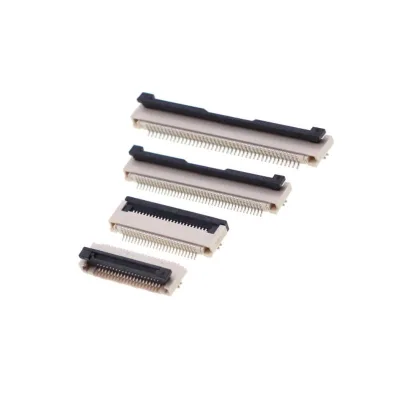
Technical verification begins with confirming the physical dimensions and material composition of the contact blocks. Specifications such as 0.8mm single 40-140P connectors and H type/U type models indicate specific mounting and connection requirements. Buyers should verify the rated current ranges, which can span from 0.1 to 96A depending on the component type. Ensuring that the material, such as silver contacts, is suitable for the operating environment prevents premature failure due to corrosion or excessive resistance.
Electrical characteristics must also be rigorously checked against the system design parameters. The action principle, often electromagnetic or thermal, dictates the response time and reliability of the contact block. Buyers need to confirm the number of poles and phase configurations to ensure compatibility with the control panel layout. Additionally, verifying the molding type, such as plastic injection, helps assess the mechanical durability and resistance to environmental stressors. These technical details are paramount for maintaining system integrity and operational safety.
Compliance and Safety Documentation
Compliance with international safety standards is non-negotiable for industrial electrical components. Buyers must request and verify certificates such as CE, RoHS, and ISO9001 to ensure regulatory adherence. Some listings also mention UL and IEC60947-4-1 standards, which are critical for market access in specific regions. Verifying these certifications directly with the issuing bodies or through trusted databases prevents the acceptance of fraudulent or expired documentation. This step protects the buyer from legal liabilities and ensures product safety.
Fireproofing and insulation properties are additional critical compliance factors. Attributes like UL94-V2 fireproofing ratings indicate the material's resistance to flame spread, which is vital for preventing electrical fires. Buyers should also check for IATF16949 certification, which signifies a robust quality management system in automotive and related industries. Ensuring that all documentation is current and specific to the product model being purchased is essential for maintaining compliance throughout the supply chain.
Cost Drivers and Commercial Terms
Cost drivers for contact blocks include material quality, certification levels, and production volume. Suppliers with higher certification standards often command premium prices due to the rigorous testing and quality control processes involved. Buyers should negotiate based on volume commitments, as MOQs can range from 1000 to 5000 pieces. Understanding the price structure helps in budgeting accurately and identifying potential cost-saving opportunities without compromising quality.
Commercial terms such as payment methods, lead times, and shipping options also influence the total cost. Buyers should clarify whether prices are negotiable and what discounts are available for larger orders. Packaging details, such as 1000 pieces per bag, affect handling costs and storage efficiency. Establishing clear commercial terms early in the sourcing process prevents misunderstandings and ensures a smooth transaction. Transparent pricing and flexible terms can significantly enhance the procurement experience.
Supplier Qualification and Quality Control
Supplier qualification involves assessing the manufacturer's production capabilities and quality assurance processes. Buyers should verify the company type, ensuring they are dealing with a direct manufacturer rather than a trading company. Production processes like injection molding require precise control to maintain consistent product quality. Requesting factory audits or third-party inspections can provide valuable insights into the supplier's operational standards and reliability.
Quality control measures should be explicitly defined in the purchase agreement. Buyers must specify acceptance criteria for defects, such as dimensional inaccuracies or electrical failures. Implementing incoming quality control checks upon receipt of goods helps catch issues early. Establishing a clear communication channel for addressing quality concerns ensures timely resolution. A robust quality control framework minimizes the risk of production disruptions and maintains high standards of product performance.
Long-Term Procurement Checks
Long-term procurement success depends on continuous monitoring of supplier performance and product consistency. Buyers should establish key performance indicators such as on-time delivery rates and defect percentages. Regular reviews of these metrics help identify potential issues before they escalate. Maintaining a diversified supplier base reduces dependency on a single source and mitigates supply chain risks. This proactive approach ensures resilience against market fluctuations and supply disruptions.
Adapting to evolving regulatory and technological landscapes is also crucial for long-term sourcing strategies. Buyers must stay informed about changes in safety standards and material regulations. Periodic re-evaluation of supplier certifications ensures ongoing compliance. Engaging in strategic partnerships with reliable suppliers fosters collaboration and innovation. By focusing on long-term relationships and continuous improvement, buyers can secure a stable supply of high-quality contact blocks.
FAQs
What certifications do ce plastic single contact block products typically carry?
Listed products reference certifications such as CE with IEC60947-4-1, VDE, UL, BS, RoHS, and ISO9001, and some listings also mention IATF16949. Certification coverage varies by product and supplier, so always request the specific certificate documents for the exact model you intend to buy before placing an order.
What is the typical minimum order quantity for a ce plastic single contact block?
Observed listings commonly show a minimum order quantity of 1000 pieces, with packaging often set at 1000 pieces per bag. The overall catalog range runs from 1 to 5000 units depending on the item, so confirm the exact MOQ with the supplier for your chosen model before ordering.
Which material is used for the contacts in these contact blocks?
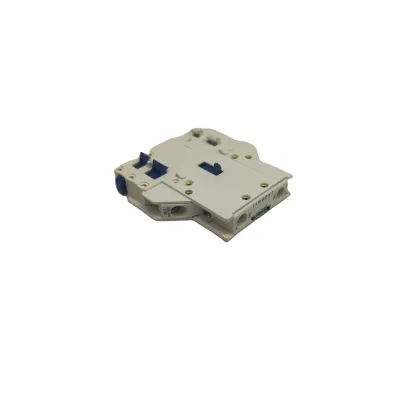
Listed contact block products specify silver contact material, which is a common choice for auxiliary contact blocks because it provides reliable electrical conductivity. Since material grades can differ between suppliers, ask for the material specification sheet of the exact model, such as the LA2-D, before confirming your purchase.
Can ce plastic single contact block products be customized for specific requirements?
Yes, customization is listed as available for products in this category. Production uses plastic injection molding, and items are typically supplied in carton packing. Discuss your marking, packaging, or configuration requirements with the supplier early, since customization may affect the minimum order quantity, pricing, and production lead time.
How are ce plastic single contact block products packed for shipping?
Observed packing details include carton packing, with some terminal products packed at 1000 pieces per nylon bag and sold as single items. Packing arrangements can vary by model and supplier, so confirm the exact packaging format, quantity per carton, and any labeling requirements before the order is confirmed.
Where are ce plastic single contact block products mainly produced?
The listed products originate mainly from China, with specific origins noted in Zhejiang Wenzhou, Ganzhou, and Guangdong. These regions host many electrical component manufacturers, so compare several suppliers by location alongside certification, MOQ, and lead time to find the best match for your delivery needs.
What electrical ratings apply to contact blocks in this category?
Related relay and contact products in the catalog show rated currents from 0.1 to 96A, with auxiliary contact blocks like the LA2-D referencing CE and IEC60947-4-1. Ratings differ by model, so request the rated current, voltage, and phase specifications of the specific contact block before placing a bulk order.
How does the flame-retardant performance of the plastic housing compare?
Listed products specify a fireproofing rating of UL94-V2 for the plastic material, indicating the housing will extinguish within a defined time after flame removal. Since housing material can vary between models, always ask the supplier for the material grade and any relevant test documentation for your selected item.